This guide is written for amateur photographers and travelers who want better images without crossing safety boundaries. The goal is to handle responsible photography with practical judgment: what to check, what to avoid, and how to keep enough margin for the desert to feel memorable rather than stressful.
The promise is simple: combine light, composition, gear and respect for local rules. Keep the rules and safety on site and the organizing an astronomy evening in San Pedro open as companions, because they turn this advice into day-of decisions.
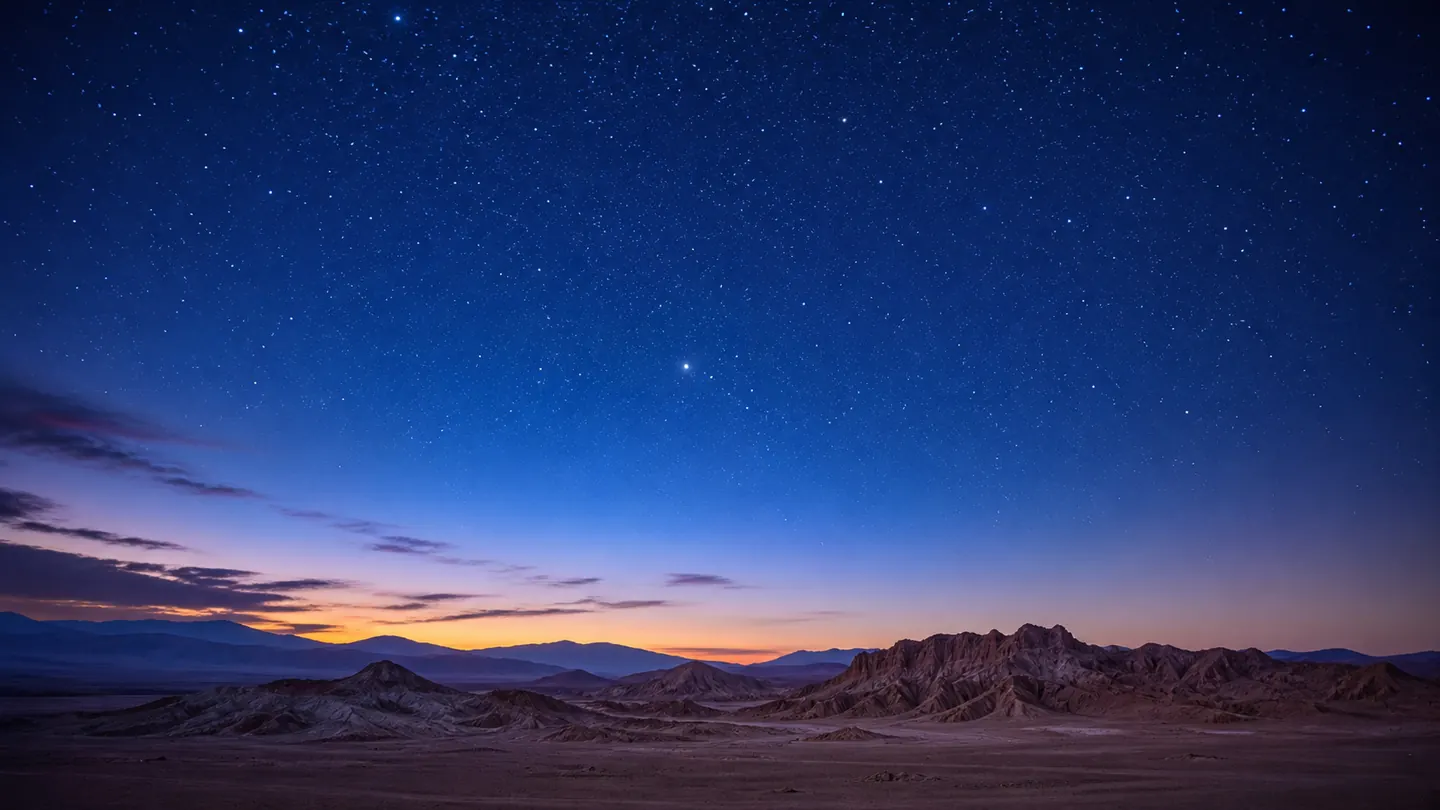
Light before equipment
This matters because valle de la Luna changes radically with the angle of the sun. A successful visit starts with this level of reading: before thinking about photos, transport or the next excursion, understand the constraint that shapes the day.
In practice, an average camera at the right time often beats expensive equipment in flat light. That means accepting adaptation. Valle de la Luna is not an urban attraction with the same script every day; safety and conservation come first.
Practical application
- Valle de la Luna changes radically with the angle of the sun.
- An average camera at the right time often beats expensive equipment in flat light.
- Observing for ten minutes before shooting helps reveal the dominant lines.
Turn this into one simple action: verify, reduce the plan if needed, then keep time to observe. This method makes the experience calmer, more professional and more respectful of the place.
The point is not to make the itinerary more complicated. It is to remove fragile assumptions before they create stress on site. When the plan has room to breathe, the same landscape becomes easier to understand, safer to enjoy and more memorable after the trip.
Compose with ridges
This matters because crests, ravines, white deposits and distant volcanoes create layered planes. A successful visit starts with this level of reading: before thinking about photos, transport or the next excursion, understand the constraint that shapes the day.
In practice, a foreground that is too busy can flatten the sense of scale; one clear line often works better. That means accepting adaptation. Valle de la Luna is not an urban attraction with the same script every day; safety and conservation come first.
Practical application
- Crests, ravines, white deposits and distant volcanoes create layered planes.
- A foreground that is too busy can flatten the sense of scale; one clear line often works better.
- Look for natural diagonals instead of risky positions.
Turn this into one simple action: verify, reduce the plan if needed, then keep time to observe. This method makes the experience calmer, more professional and more respectful of the place.
The point is not to make the itinerary more complicated. It is to remove fragile assumptions before they create stress on site. When the plan has room to breathe, the same landscape becomes easier to understand, safer to enjoy and more memorable after the trip.
Tripod and safety limits
This matters because a tripod must remain in authorized areas and never become a reason to cross a boundary. A successful visit starts with this level of reading: before thinking about photos, transport or the next excursion, understand the constraint that shapes the day.
In practice, busy viewpoints require compact and respectful setup. That means accepting adaptation. Valle de la Luna is not an urban attraction with the same script every day; safety and conservation come first.
Practical application
- A tripod must remain in authorized areas and never become a reason to cross a boundary.
- Busy viewpoints require compact and respectful setup.
- The best image loses value if it encourages unsafe behavior.
Turn this into one simple action: verify, reduce the plan if needed, then keep time to observe. This method makes the experience calmer, more professional and more respectful of the place.
The point is not to make the itinerary more complicated. It is to remove fragile assumptions before they create stress on site. When the plan has room to breathe, the same landscape becomes easier to understand, safer to enjoy and more memorable after the trip.
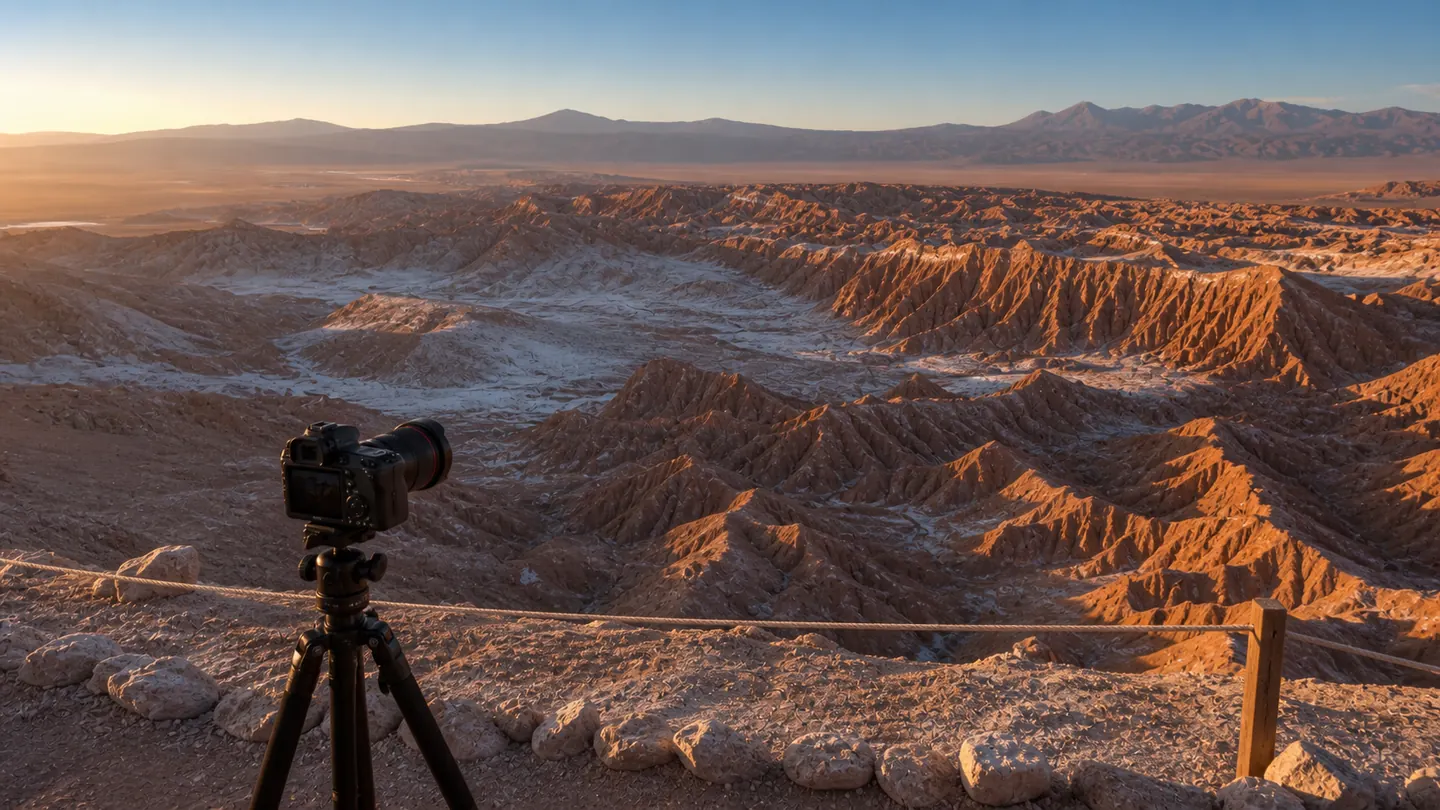
Stars: think outside the site if needed
This matters because atacama is exceptional for astronomy, but that does not mean Valle de la Luna is open at night. A successful visit starts with this level of reading: before thinking about photos, transport or the next excursion, understand the constraint that shapes the day.
In practice, choose authorized locations, specialized tours or suitable areas near San Pedro. That means accepting adaptation. Valle de la Luna is not an urban attraction with the same script every day; safety and conservation come first.
Practical application
- Atacama is exceptional for astronomy, but that does not mean Valle de la Luna is open at night.
- Choose authorized locations, specialized tours or suitable areas near San Pedro.
- This distinction protects the site and prevents impossible photo plans.
Turn this into one simple action: verify, reduce the plan if needed, then keep time to observe. This method makes the experience calmer, more professional and more respectful of the place.
The point is not to make the itinerary more complicated. It is to remove fragile assumptions before they create stress on site. When the plan has room to breathe, the same landscape becomes easier to understand, safer to enjoy and more memorable after the trip.
Simple settings for travelers
This matters because for landscapes, a mid-range aperture and safe shutter speed keep ridges sharp despite wind. A successful visit starts with this level of reading: before thinking about photos, transport or the next excursion, understand the constraint that shapes the day.
In practice, for the sky, a stable tripod, bright lens and reasonable exposure avoid unwanted star trails. That means accepting adaptation. Valle de la Luna is not an urban attraction with the same script every day; safety and conservation come first.
Practical application
- For landscapes, a mid-range aperture and safe shutter speed keep ridges sharp despite wind.
- For the sky, a stable tripod, bright lens and reasonable exposure avoid unwanted star trails.
- Protecting gear from dust matters as much as choosing a lens.
Turn this into one simple action: verify, reduce the plan if needed, then keep time to observe. This method makes the experience calmer, more professional and more respectful of the place.
The point is not to make the itinerary more complicated. It is to remove fragile assumptions before they create stress on site. When the plan has room to breathe, the same landscape becomes easier to understand, safer to enjoy and more memorable after the trip.
Edit without betraying the desert
This matters because valle de la Luna colors are already strong; excessive saturation quickly turns the place artificial. A successful visit starts with this level of reading: before thinking about photos, transport or the next excursion, understand the constraint that shapes the day.
In practice, keeping salt whites and shadow detail produces a more credible image. That means accepting adaptation. Valle de la Luna is not an urban attraction with the same script every day; safety and conservation come first.
Practical application
- Valle de la Luna colors are already strong; excessive saturation quickly turns the place artificial.
- Keeping salt whites and shadow detail produces a more credible image.
- A natural look inspires more trust for readers planning a real visit.
Turn this into one simple action: verify, reduce the plan if needed, then keep time to observe. This method makes the experience calmer, more professional and more respectful of the place.
The point is not to make the itinerary more complicated. It is to remove fragile assumptions before they create stress on site. When the plan has room to breathe, the same landscape becomes easier to understand, safer to enjoy and more memorable after the trip.
Action plan before you go
Use this checklist before committing to the day:
- Check official hours, ticket rules, open sectors and weather notices.
- Choose one main goal: landscape reading, sunset, photography, family comfort or transport decision.
- Carry water, sun protection, a wind layer and closed shoes.
- Keep margin for entry, stops, instructions and the return.
- Stay inside authorized areas even if another visitor crosses a boundary.
- Adjust the plan if wind, dust, heat or fatigue changes the experience.
- Prepare photos without blocking viewpoints or encouraging risky behavior.
- Read official temporary notices again before leaving San Pedro.
This plan does not try to make Atacama predictable. It gives enough structure for surprises to remain manageable, which is exactly what a fragile desert landscape requires.
Frequently asked questions
Can I fly a drone?
Local rules generally restrict or prohibit drones in the sector. Follow official instructions.
Which lens should I bring?
A wide angle covers panoramas, while a short telephoto isolates ridges. The best kit is light and dust protected.
Where should I photograph stars?
Use authorized places around San Pedro rather than assuming night access to Valle de la Luna.
Do I need a tripod?
It helps for sunset and night sky work, but it must stay discreet, stable and inside authorized zones.
How do I avoid cliché images?
Vary details, textures, lines and light moments instead of aiming only for the most famous panorama.
Sources and editorial caution
Practical details change. Opening hours, prices, closures and site rules must be checked on the official Valle de la Luna ticketing channel and the CONAF page for Reserva Nacional Los Flamencos before making a final plan.