Not every traveler arrives at the Valle de la Luna ready for a full physical push. Some come with children, others with reduced mobility, and some with only half a day in a region that rewards planning discipline. The practical choice is not to avoid the site entirely, but to design your visit around the least tiring sequence: access timing, movement mode, rest windows, and altitude-aware pace. The objective is simple: keep the same quality of experience while reducing avoidable fatigue and stress.
This guide focuses on realistic options that remain fully compliant with park rules and visitor-flow limits. Start with official checks, because the site can switch to weather restrictions, temporary closures, or capacity controls with short notice. Then select between bicycle, car, or guided transport based on group profile, then build a two- to three-point stop plan. You avoid crowds, reduce overexertion, and still collect the views that matter most.
Continue with: official visit planning guide, safety and packing checklist, full San Pedro to Valle itinerary context.
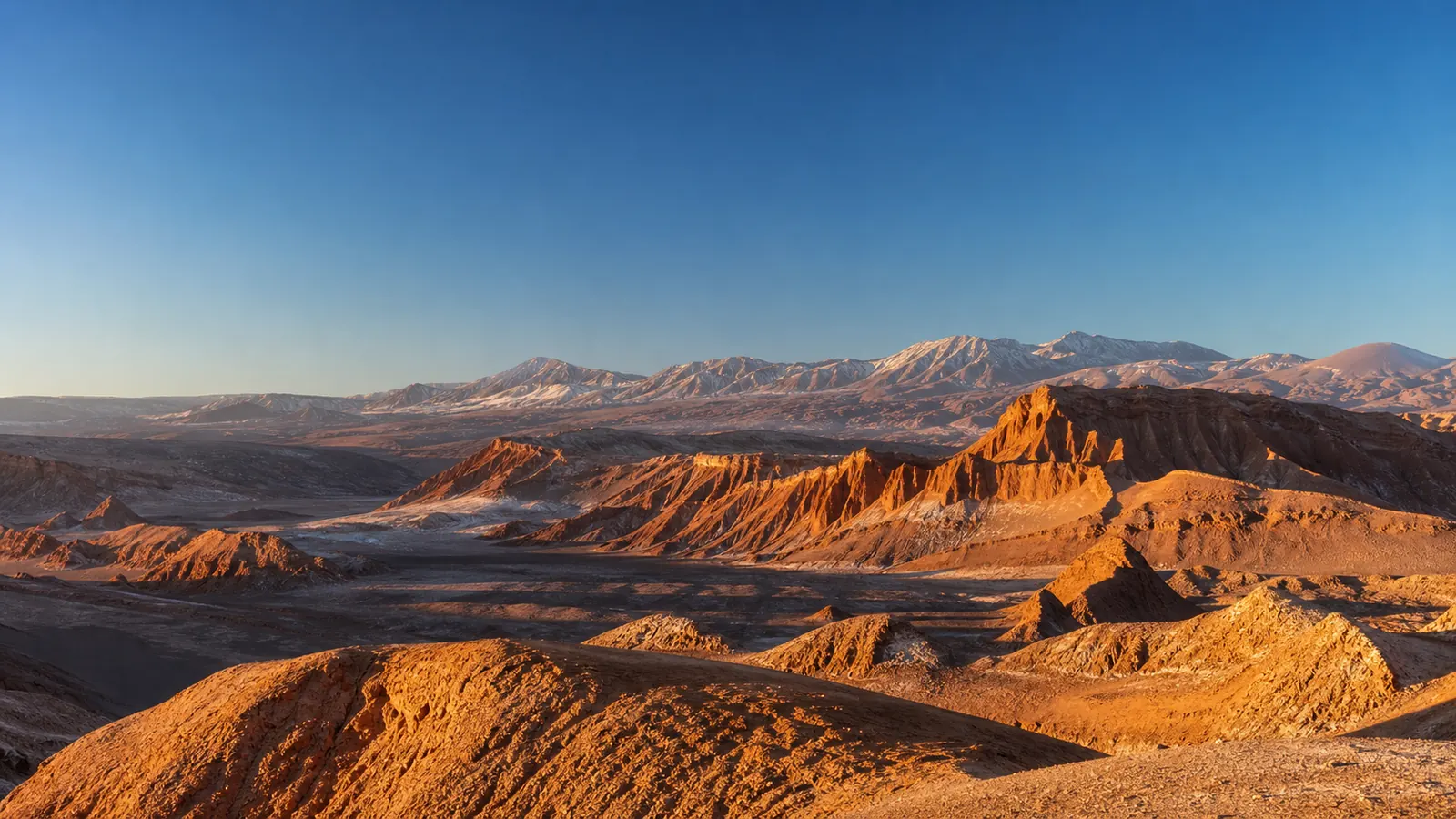
Designing a lower-effort route before you buy anything
A low-effort itinerary starts with a route map, not a camera plan. The Valle de la Luna system is sensitive to timing, light, and fatigue. The same day can feel straightforward or overwhelming depending on how you sequence arrival, movement, and rest. A practical approach is to define two anchor points: when you enter and when you leave, then only build one medium stop in between. The official entrance pages distinguish opening windows for April to August versus September to March; the strongest planning habit is to verify the active time slot for your date before you commit to transport.
Valle de la Luna official guidance indicates year-round access with seasonal windows, and it clearly marks that bikes and motorized persons have different access windows and that people on foot are not allowed. That detail shifts planning logic for every reader: a family arriving for a short morning stop should likely prioritize vehicle or guided transport, while a rider with a pre-fitted helmet and route confidence can remain bike-first if conditions are stable. This is not about performance. It is about reducing wasted movement.
A second principle is to separate sightseeing from photo hunting. Some sections of the reserve are visually richer but more demanding. For a low-effort day, reserve your highest-energy segment for the period when the wind is lower and hydration still allows safe climbing pace. Use the rest of the day for interpretation: local geology, elevation, and route orientation. That keeps output high and effort lower.
Route logic over hero shot logic
The mistake in many first-time plans is overindexing on one iconic viewpoint and under-planning transitions. Every long climb in the desert has a hidden energy cost in heat, air, and footing. Better route logic is to visit one viewpoint completely, then take a controlled break before the next transition. This style lowers physical risk and improves quality of every stop.
- Set a max walk time per stop and leave a 10-minute reserve buffer.
- Avoid scheduling more than 2 major stops for a first-day low-effort visit.
- Choose shade and wind orientation for each stop before entering the car.
How to pick transport by condition, not by habit
You can reach Valle de la Luna by car, bicycle, or guided transport, and that is both true and incomplete. The real question is route control. A bicycle option can be excellent in shoulder conditions and for short distances, but official entry windows in the April to August period are generally tighter. In high wind windows, the same route that works in March can become unsafe for riders and less enjoyable for older travelers. In those cases, a short vehicle transfer or guide-led movement often yields a better experience without sacrificing authenticity.
If your group is mixed ages, use a staggered approach: one person manages the initial transfer from San Pedro de Atacama to the site, while another manages hydration and rest for slower members. This matters because site rules require compliance with designated sectors and entry timing. A calm start reduces the pressure to rush later in the heat, and it aligns with the idea of low-effort access: you preserve energy for viewing quality, not for compensating for poor sequencing.
For many visitors, a half-day in-car approach plus one short marked walk gives the best balance between access and comfort. The official and tourist portals both emphasize respecting marked zones, and the site value is in how you spend energy in those zones, not in how many sectors you technically pass through.
Cyclists and safety windows
Cycling windows are clearly segmented from motorized entry in seasonal guidance. On lower effort days, that helps you avoid rushed transitions because you already know when the bike lane rules apply. Treat wind alerts as a gating condition, not an inconvenience; if a closure notice is present, do not force a bike plan.
- Use a wind check 3 to 4 hours before departure.
- Avoid rigid schedules before sunrise and right after lunch.
- Never choose unsupported detours; it increases exposure and reduces comfort.
Three low-effort itineraries that still feel complete
The first model is the short official-window loop: enter through the opening sector, move along one primary circuit, and end at an easy return point. This is ideal for older visitors, parents with young children, and those unfamiliar with at-risk trails. Keep the loop simple, avoid elevation changes after fatigue signs, and skip optional climbs unless the sun, wind, and physical condition are stable.
The second model is the guide-integrated walk, useful when you want interpretation without extra effort. In this option, you delegate route complexity to a tour operator or local guide and focus on pacing. This often improves compliance with group limits because sectors are already coordinated. Keep one expectation explicit: if the guide reports capacity delays, reduce your own pace and keep children hydrated first.
The third model is family split timing for mixed groups. One member can stay in the transfer vehicle and rotate back to retrieve packs or support the slower members while the group continues the primary viewing loop. This is not ideal for all contexts, but for lower-effort travelers it improves continuity and reduces tension. It also keeps decision-making simple: either your group is in one controlled segment or one person is managing support from a safe base area.
Simple stop structure
For every model, cap yourself at one intensive stop and one secondary rest stop. A low-effort visit should leave at least 20 to 30 minutes for recovery before exiting.
- Stop 1: one photogenic overlook with quick framing and controlled duration.
- Stop 2: shaded or sheltered rest, water reset, and condition review.
- Exit: fixed and predictable, not opportunistic.
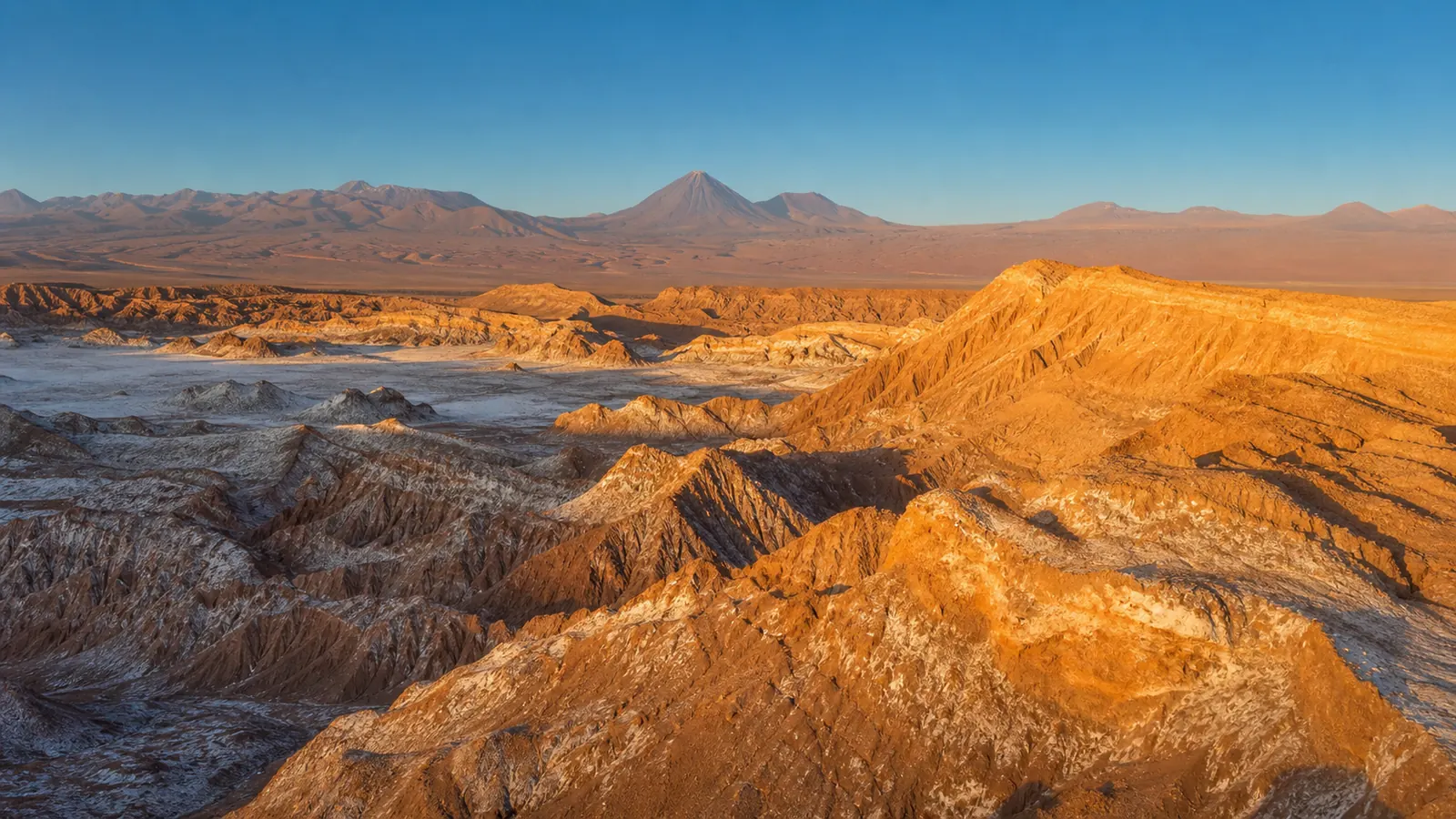
Reading official notices and park rules before every trip
The most common source of disappointment is treating park rules as fixed when they are not fixed. Official sources explicitly state that access schedules can change by conditions and season, and there are examples of temporary closures due to weather. Plan with that in mind and avoid irreversible decisions. If a closure alert appears for your date, the safest outcome is to postpone, redirect to a low-commitment alternative, or enter only under the guided model where timing is managed professionally.
Trail conduct is also structured: group limits, movement corridors, no off-limit crossing, and explicit forbidden behaviors matter for everyone. Chile Travel describes controlled entry with group limits per sector and clear restrictions for behavior inside the valley. Treat these as the baseline for comfort, not as penalties. They protect infrastructure and visitors. If you plan a low-effort route, staying inside the allowed structure is the only version that is truly sustainable.
A practical habit is to check two channels: the Valle de la Luna official notice area and CONAF access or guidance pages, then verify local updates through reliable tourism channels. Keep that check inside your planning checklist; if any channel reports closure, weather-related entry limits, or ticket changes, adjust your plan immediately.
Capacity and rule framing
Low-effort planning is also rule-compliant planning. If your selected sector has a small duration cap, reduce your photo block and preserve energy instead. A responsible visit can still feel complete when it respects entry windows and does not attempt to optimize for a social-media-perfect sequence.
- Confirm group-size limits before choosing your start time.
- Use official notices for temporary closures.
- Avoid entering sectors already crowded by one-hour slots.
Packing and pacing for mobility differences
In a high-elevation semi-desert, comfort depends more on pacing than on premium gear. The same weight carried by a fitter traveler can become exhausting for someone with knees, asthma, or less acclimatization. Build your kit around hydration, broad-brimmed cover, warm layers for wind, and low-footprint snacks that require no complicated preparation. This is not luxury packaging; it is fatigue prevention.
For families, one practical rule is to reserve one support layer per person beyond weather needs: one backup layer, one refillable bottle, a heat-safe hat, and a fast-dry face cloth. For older travelers, add a 10-minute buffer every 35 minutes of movement and pre-plan an exit contingency. The idea is to protect decision quality. A clear rest rhythm reduces overexertion risk and keeps the visit focused on observing, not forcing.
Children in particular need simpler thresholds. If a child begins asking to stop repeatedly, that is not a sign of low patience. It is a reliable indicator that the route should pause. Build a route that accepts this as valid, and your visit will remain calm.
Pre-visit checklist for short-stamina groups
Write this once at home and check it before departure: official closure notice reviewed, ticket purchase confirmed with date and sector, transport time to site, altitude awareness reminders, and fallback stop.
- Water and electrolyte balance.
- Layering for wind and sun shifts.
- Sun and eye protection in dusty conditions.
- A plan to exit at first discomfort sign.
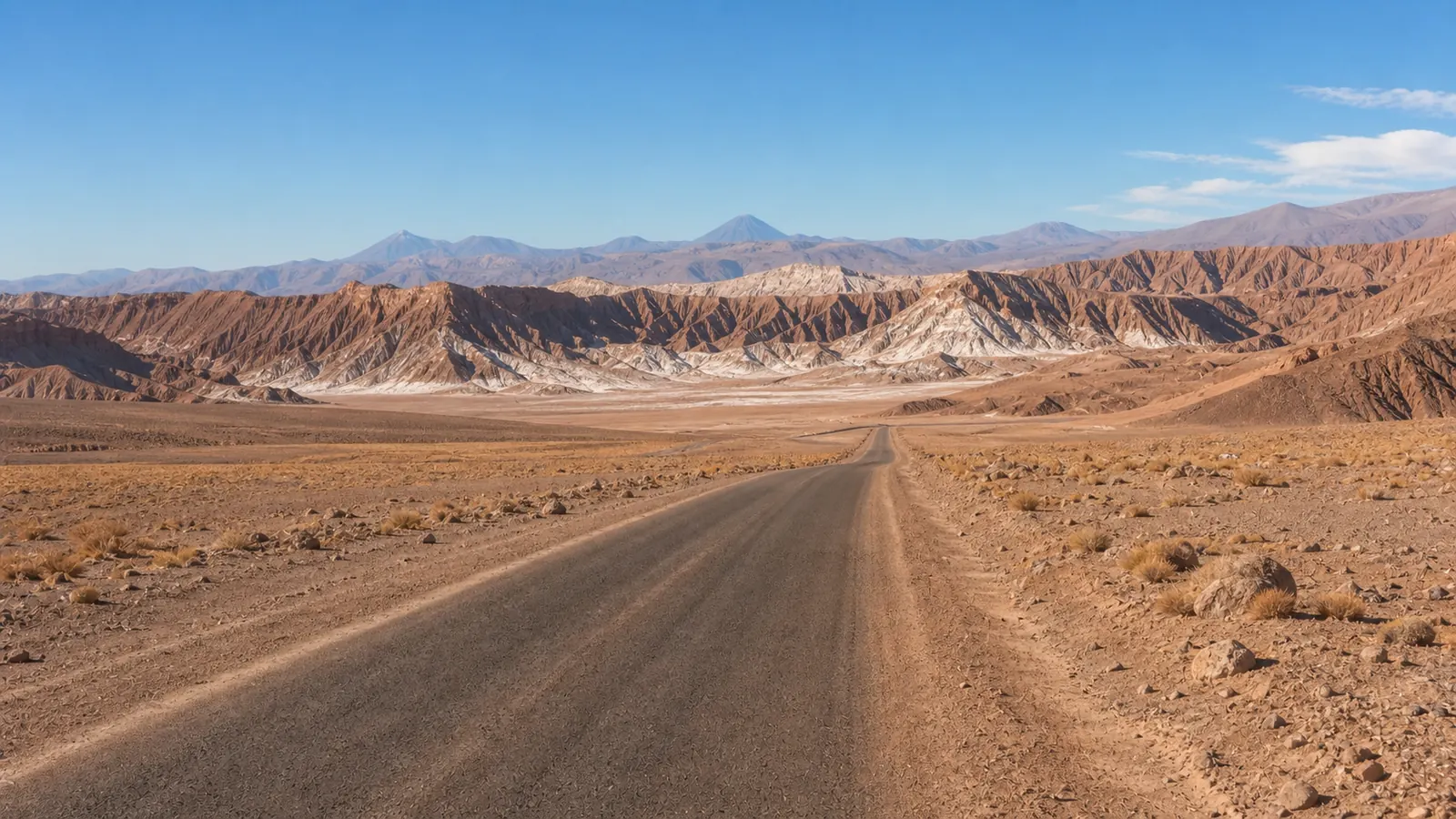
How to decide between a one-day visit and combining neighboring routes
A low-effort visit is often better when it is not the only objective of the day. You can combine Valle de la Luna with a nearby activity that has lower elevation change and shorter movement windows, especially when you are short on energy. This is where itinerary quality improves: you preserve a meaningful visit while reducing physical accumulation.
If you are staying in San Pedro de Atacama, keep the base strategy simple: transfer first to the valley edge, execute one compact route, and reserve the afternoon for a slower, less exposed destination. This avoids rushed movement and lowers the effect of evening fatigue. It also makes return logistics smoother for groups with mixed abilities.
When to switch to next-day planning
If wind and heat windows compress to the same hour, the better choice is to shift one activity to the following day rather than pushing a compressed visit.
- Use a split-day plan when fatigue signals appear early.
- Prioritize safe transit and controlled return times.
- Reserve the biggest photo point for the strongest light without overextending the group.
Final plan: choose sustainable effort, not maximal movement
Valle de la Luna rewards a precise approach more than a hard-chasing approach. A low-effort visit can still be rich, memorable, and deeply Atacama if you plan around official windows, transport realities, and real group capabilities. Start with a short route, keep one clear exit plan, and treat every condition alert as a planning upgrade rather than a failure.
The most reliable outcome for responsible travelers is to preserve energy for interpretation and for safety. Verify current notices before arrival, confirm your entrance and sector window, and only scale distance after conditions allow it. The result is not a lesser trip. It is often a better trip, because you return with stronger observations and lower stress.
Frequently asked questions
Can children and older travelers visit Valle de la Luna without a guide?
Yes, if the route is planned around reduced movement and you avoid peak sectors. Check official windows first because entry rules can change by season and conditions. For families or mixed-energy groups, many travelers still prefer a guided segment to reduce fatigue and keep transitions organized. In all cases, verify on the official site that foot-only entry is not permitted and that transport windows remain valid on your date.
Is the Valle de la Luna closed during high winds?
Temporary restrictions are possible and they are usually posted as official notices. We have observed official alerts around strong winds and severe dust conditions with short notices, including closure days and temporary suspension of some services. Because this can appear with little lead time, verify the official notice on the day of departure and keep a fallback plan for that date.
Do I still need to respect group size limits and sector boundaries if I only want photos?
Yes. Sector capacity and group behavior limits are part of official operating rules. Chile Travel and park guidance indicate controlled group flow and restricted movement corridors. They exist to protect both visitors and the fragile route surfaces. A low-effort trip should be built on these controls, not against them.
What is the best transport choice for one full day with a 12-year-old and a senior traveler?
A mixed model often works best: vehicle transfer plus one guided short walk segment. Use a route where walking intensity is capped and where breaks can happen every 20 to 30 minutes. If wind alerts are active or if transport windows are restrictive, prioritize guided movement to reduce physical uncertainty.
How can I avoid surprises in ticket timing?
Use two checks: official park notices for seasonal windows and access notices for short-notice closures, then confirm your package or entry window in advance. If ticket windows differ from your plan, choose a nearby lower-effort destination first or shift the visit to a quieter slot the same day.
Sources and editorial caution
- Valle de la Luna official opening and closure notices — Valle de la Luna
- Reserva Nacional Los Flamencos official access details — CONAF
- Valle de la Luna rules and sector guidance — Chile Travel
- Valle de la Luna location and planning information — Chile Travel